[ Excerpt from The Science of Yoga, page 62 ]
The Sanskrit word mudra comes from the root mud, which means "to commune or to bring together." It literally means "joining (of the Lower Self with the Higher Self)," and is represented in an entire branch of yoga called mudra yoga.
In simple terms, the word mudra is translated to mean "gesture" or "seal." Though these 'gestures' are mainly thought of as specific hand positions, they can take form using many body parts and positions. A mudra can represent a gesture of the fingers, the hands, the neck/throat, within the oral cavity, the anus, or the entire body.
In spiritual life, mudra yoga places great attention and awareness into subtle energies in the body, with the aim of stimulating subtle and higher psychic awareness.
Mudras are anything but symbolic gestures, as I have often heard them referred to. They are both energetically as well as physiologically relevant and are a key component of hatha yoga, along with asanas, kriyas and pranayamas.
From an energetic perspective, mudras help to create or accentuate particular pranic currents through the body during the practice of asanas and pranayamas.
In general, we could say that mudras are performed in order to both close body apertures, as well as to complete subtle circuits of energy flow, in order to contain and to direct the flow of energy in desired ways.
As a yoga practice becomes more advanced, mudras become increasingly important for controlling and guiding the pranic energy in the body during the performance of the asanas and pranayamas.
Physiologically, mudras can affect nerve impulses and blood flow, as well as stimulate glandular activity. These 'neuromuscular gestures' are used to intensify the effects of different pranayamas, as you will begin to see in our first set of hasta (hand) prana mudras, used to control the various lobular segments of the lungs during the practice of vibhagha pranayama...
[Continued...]
---------------------
NOTE: This yoga article is an excerpt from The Science of Yoga, an online yoga training program with streaming yoga videos and 600 pages of step-by-step yoga instruction.
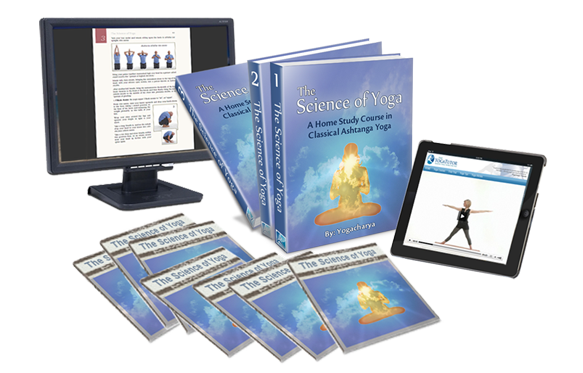
"The Science of Yoga is a course worthy of
leather binding and an honored place in the
finest libraries in the world
... It is indeed a masterful work."
Dr. John Michael Christian
AwakeningWithYoga.com
Learn More About
The Science of Yoga Course
|